Institute of Physics
Latest news at the IOP
View all newsInternational Year of Quantum Science and Technology
2025 is the UN's International Year of Quantum, celebrating 100 years of quantum science and technology. Get involved to find out more about quantum technology and how it could change our future.…
Upcoming events and conferences for the physics community
View all events-
 OnlineRead more
Mimi’s Tiny Adventure: Lab in the Library
Starts
Wed 20 Aug 2025
14:00Ends
Wed 20 Aug 2025
16:00 -
In-personRead more
Neutron Scattering Group Early Career Meeting
Starts
Thu 21 Aug 2025
9:30Ends
Fri 22 Aug 2025
17:00 -
 In-personRead more
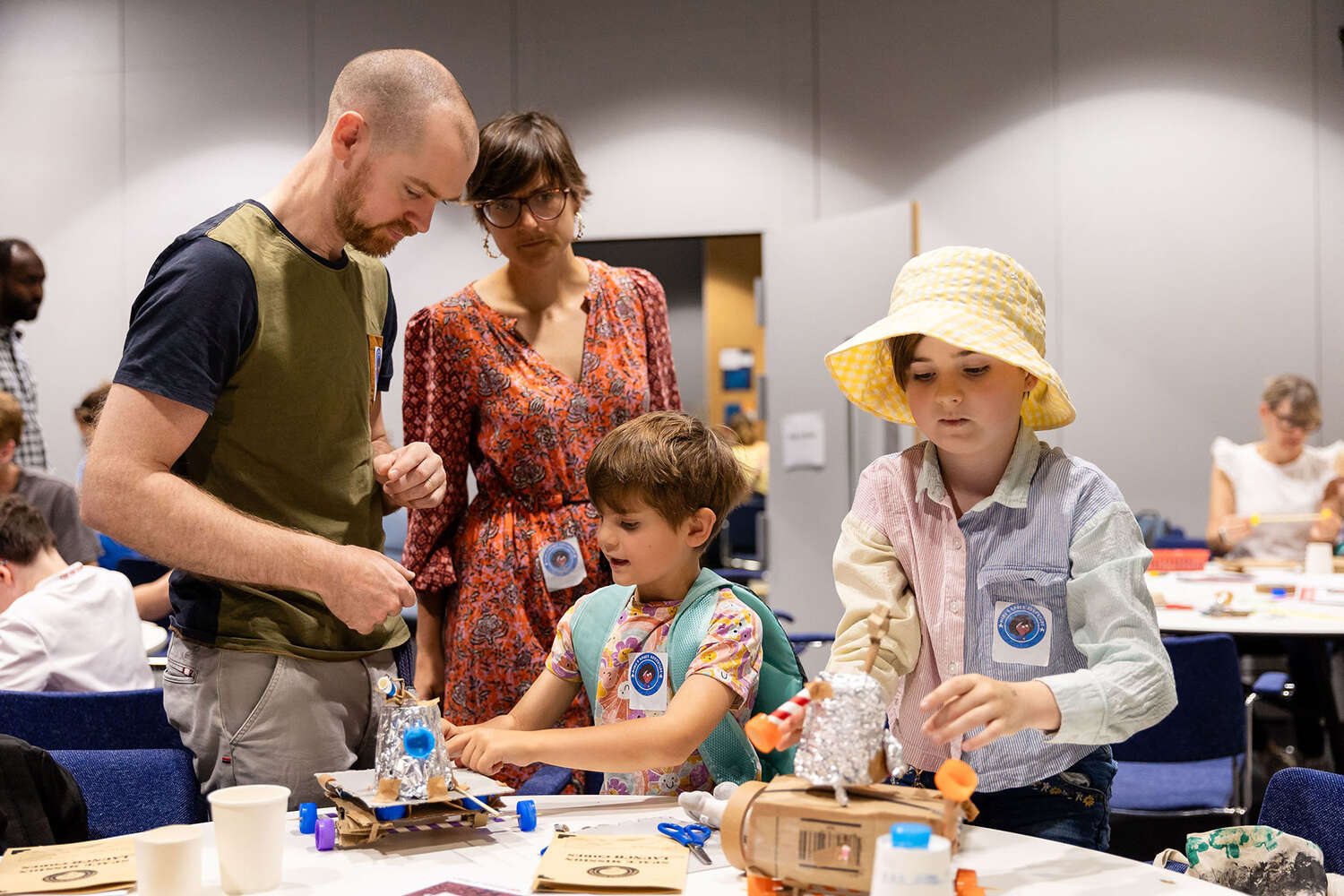
Mimi’s Tiny Adventure: The exhibition in London
Starts
Wed 23 Jul 2025
10:00Ends
Fri 29 Aug 2025
16:00 -
 In-personRead more
Quantum, Atomic, and Molecular Physics (QuAMP 2025)
Starts
Tue 2 Sep 2025
9:00Ends
Thu 4 Sep 2025
17:00 -
 In-personRead more
62nd European High Pressure Research Group Meeting
Starts
Sun 31 Aug 2025
17:00Ends
Fri 5 Sep 2025
17:00 -
 OnlineRead more
Unlocking the Power of Start-Ups (how start-ups can transform careers and companies): A joint webinar from the IOP and the IET
Starts
Wed 10 Sep 2025
12:30Ends
Wed 10 Sep 2025
13:30 -
 HybridRead more
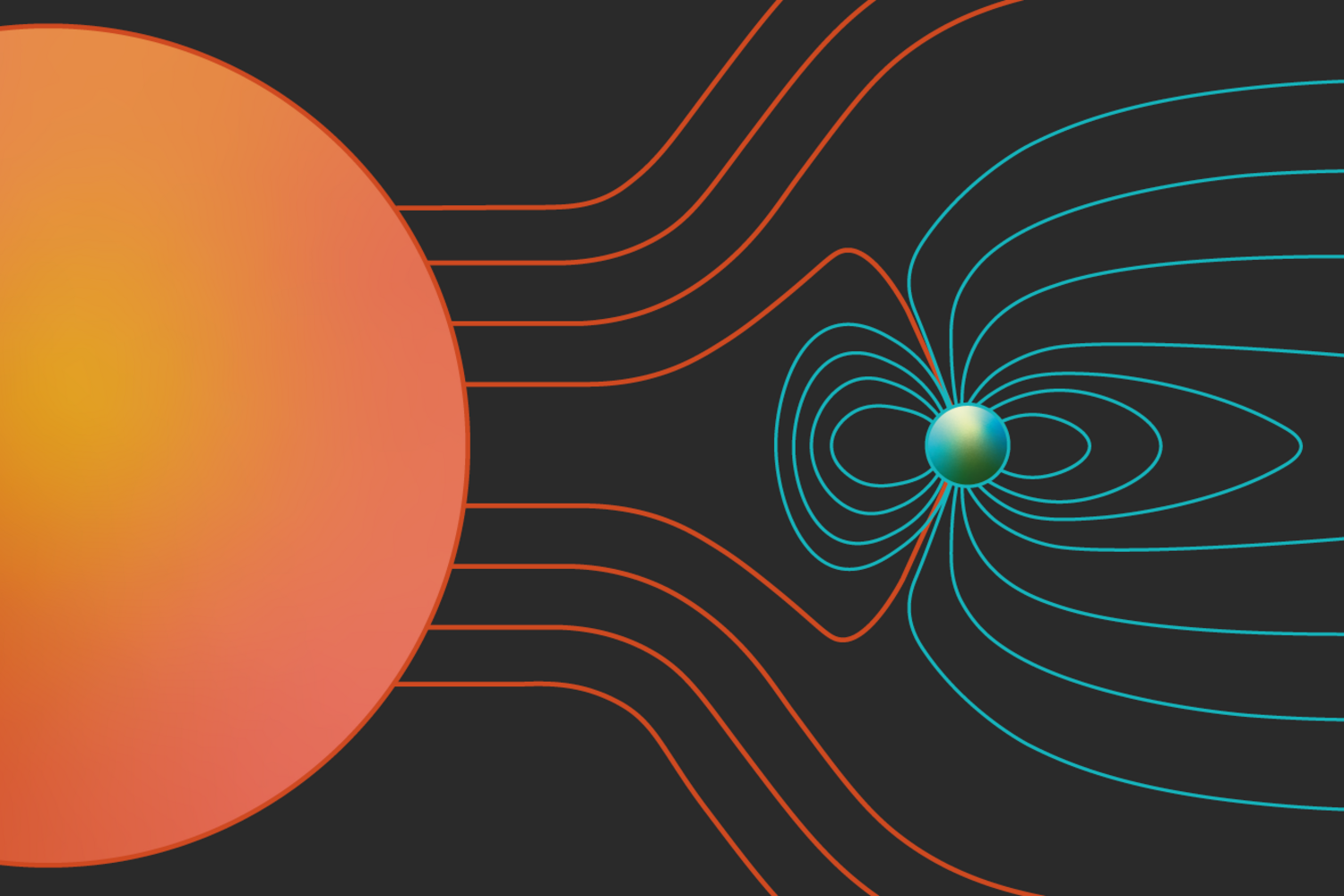
UK Space Weather and Space Environment Meeting III
Starts
Mon 8 Sep 2025
9:00Ends
Thu 11 Sep 2025
17:00 -
 In-personRead more
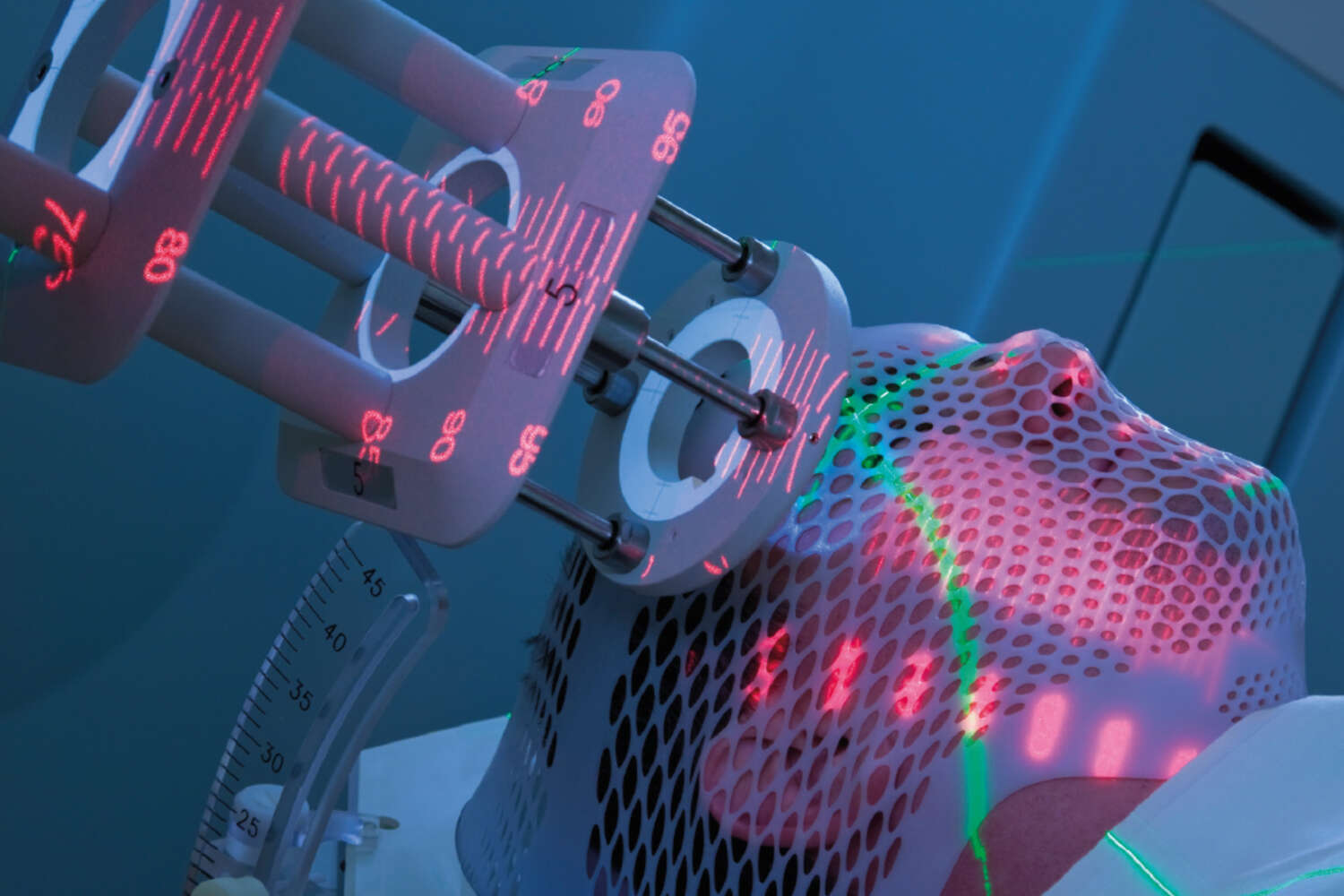
Medical Physics in the East Midlands
Starts
Fri 12 Sep 2025
13:00Ends
Fri 12 Sep 2025
18:45

Latest updates in physics from Physics World and the IOP
Magnetic nanosprings break down microplastic pollutants
Researchers have developed an environmentally friendly technique to remove these contaminants from water …
Water loss offsets the cooling effect of aerosols in clouds
New data suggests that microscopic particulates lower the total water content of clouds, reducing aerosols’ climate-cooling effect by around 23%…
Compton camera simultaneously images PET and SPECT tracers in human body
A Si/CdTe Compton camera can image the distributions of two of the most common PET and SPECT radiopharmaceuticals at the same time …
Greening gas is not so easy
Dave Elliott ponders the outlook for green gas, leakage and the alphabet soup of P2G and SMR+CCS …
Education forums: email discussion lists
Discuss your ideas and views on these education forums. …
Convergence science centre accelerates development of innovative cancer therapies
The UK’s first convergence science centre is investigating novel cancer treatments such as tumour-liquifying microbubbles and immune cell tracking …
Bacterial nanostructures act as electron-microscope-compatible gene reporters
Different sized protein structures can be distinguished using electron microscopy, making them high-resolution analogues of the fluorescent reporter proteins used in optical microscopy …